At Lunghwa University, our main class teacher is Mrs. Thao Minh Ho. She is not only a dedicated and kind teacher but also deeply passionate about her profession.
She often told us that she did not want to teach knowledge confined only to textbooks. Instead, she wants us to go outside, experience real business models, and see how they operate, manage products, and manage people. “Only in this way can you truly understand how a company functions and remember it longer,” she said.
That’s why in her classes, she always designs special activities – what I usually call extracurricular activities.
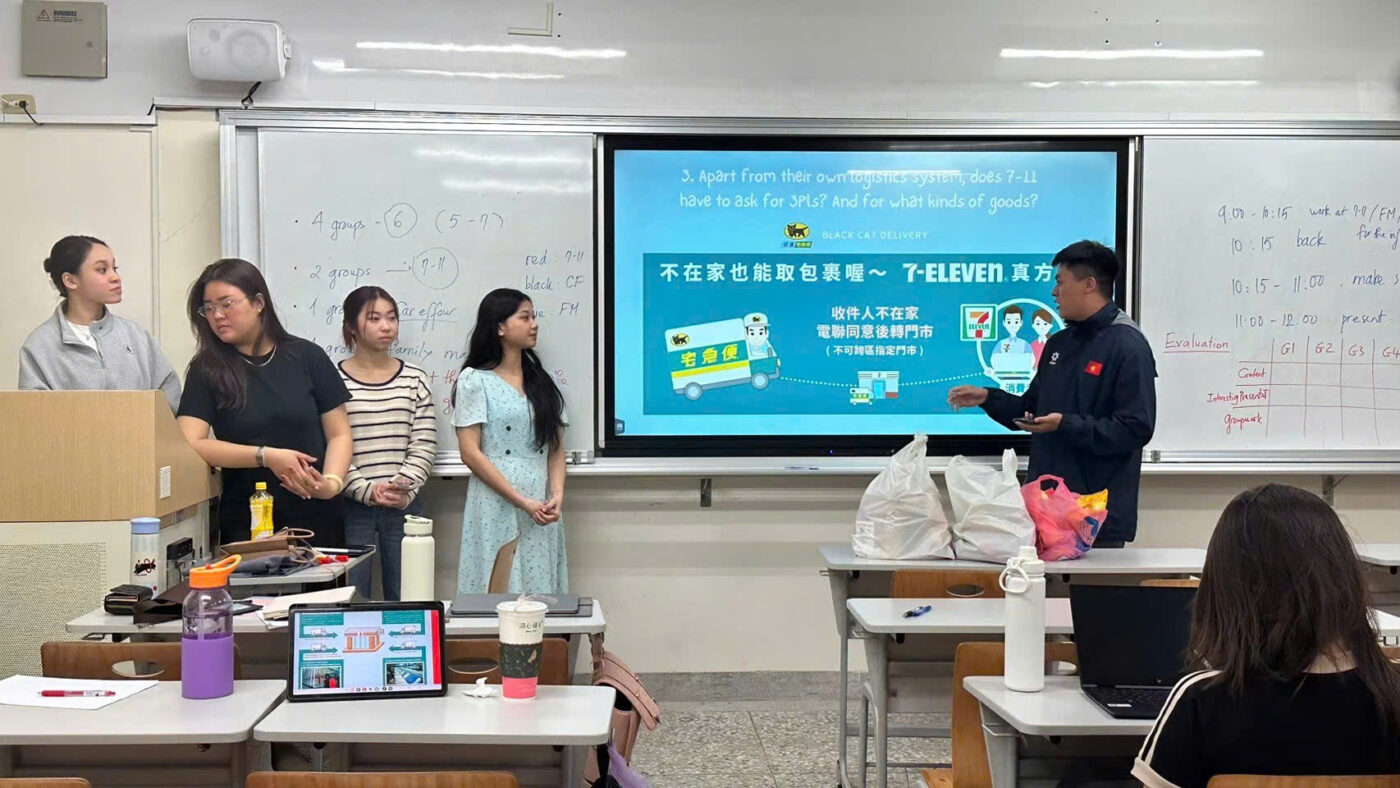
Once, in our International Supply Chain course, she divided the class into small groups to research the supply chain management of 7-Eleven and Carrefour. We had to visit physical stores, observe, gather information online, and ask the staff relevant questions, all within a total of two hours.
At first, I thought it was strange to approach store employees with such questions. I assumed they wouldn’t know details about supply chain management, and honestly, I felt a bit embarrassed asking them. However, despite the language barrier (I spoke English while they spoke Mandarin Chinese, and we relied on Google Translate), they were very enthusiastic in responding. I found the experience fascinating – it turned out that starting a conversation with strangers wasn’t as difficult as I had imagined.
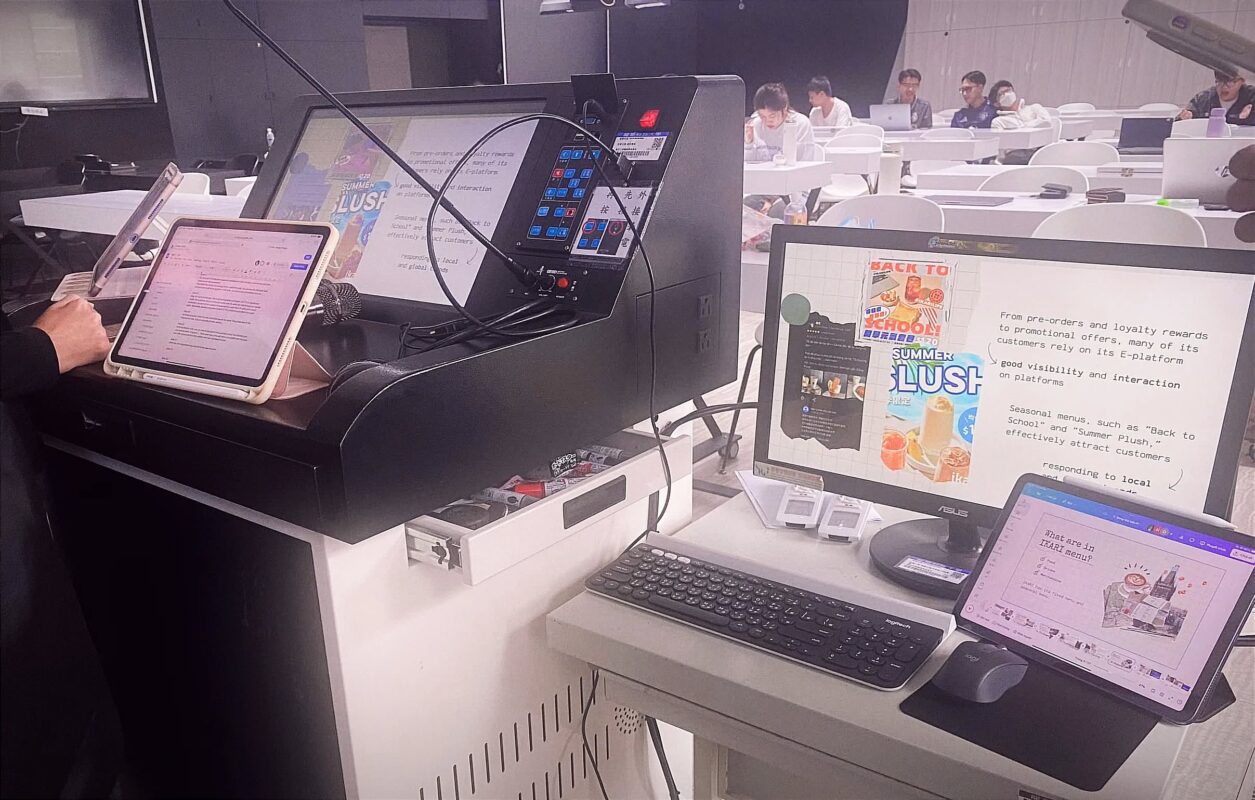
Afterward, we had to prepare slides and present them in class. With only two hours to gather information at the store, make the slides, and deliver the presentation, it was quite a challenge. But in the end, our presentation turned out to be very successful.
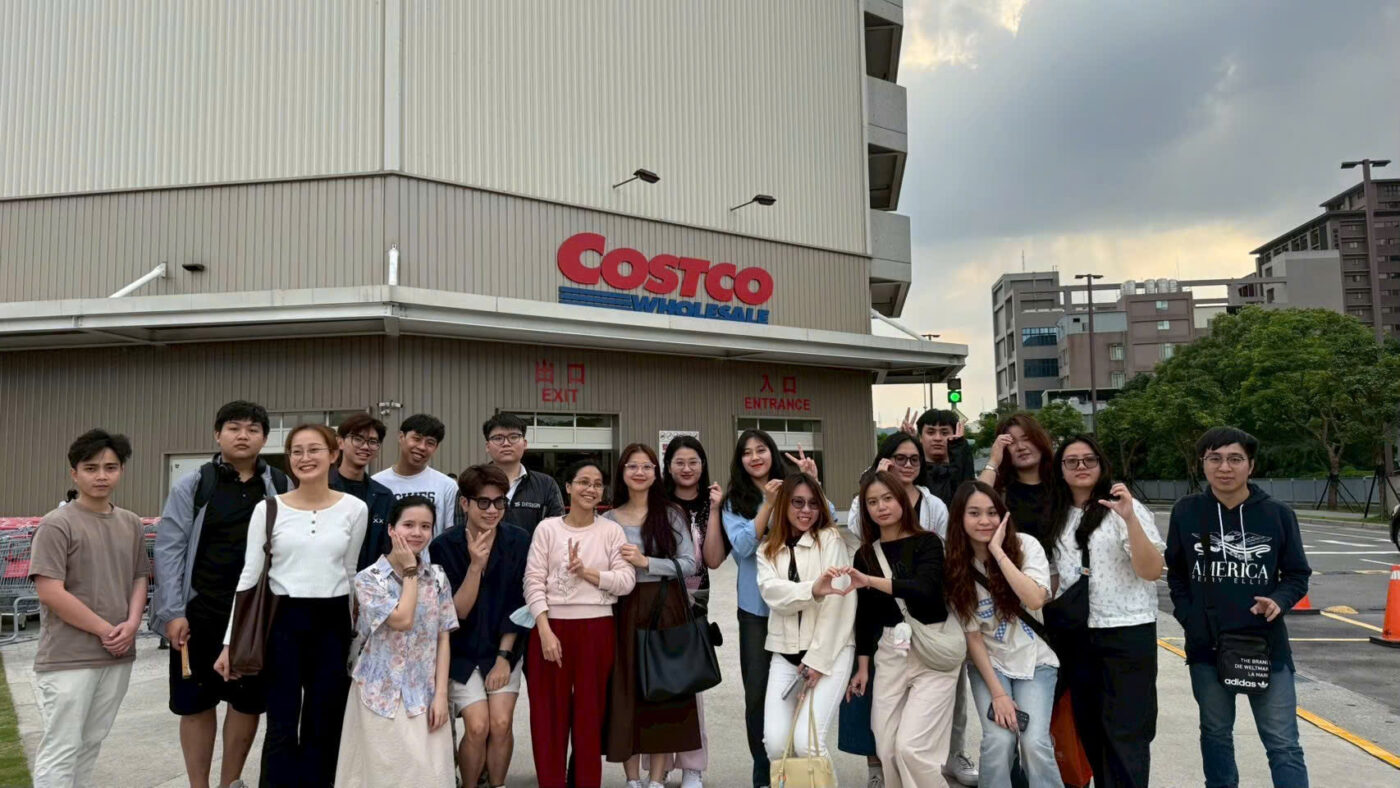
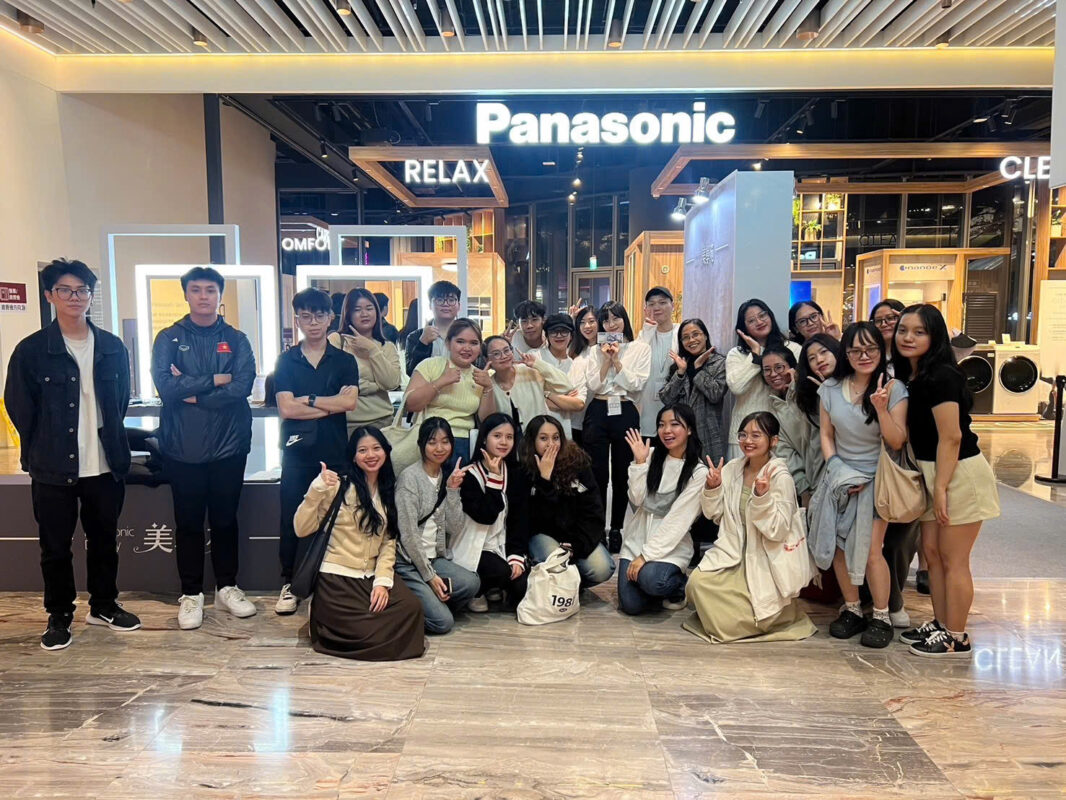
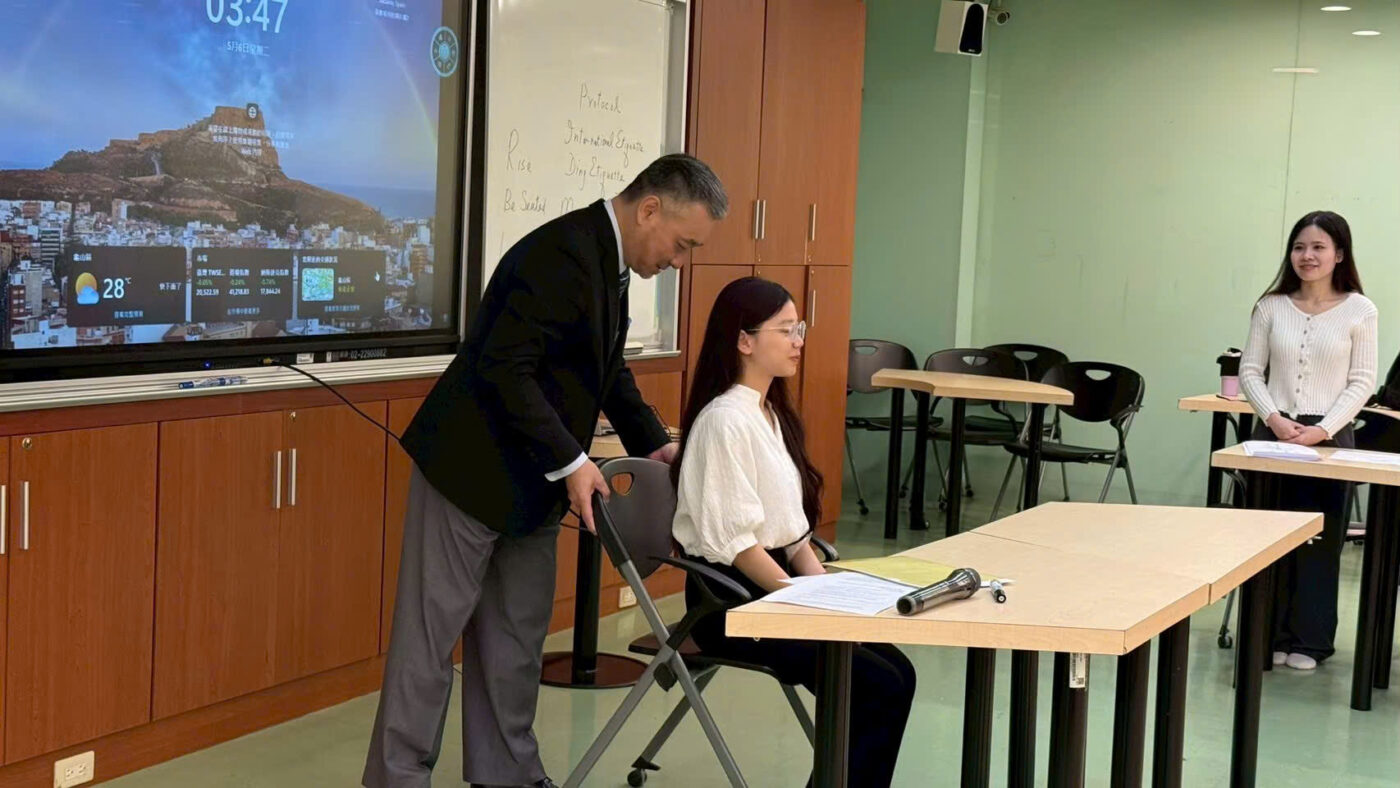
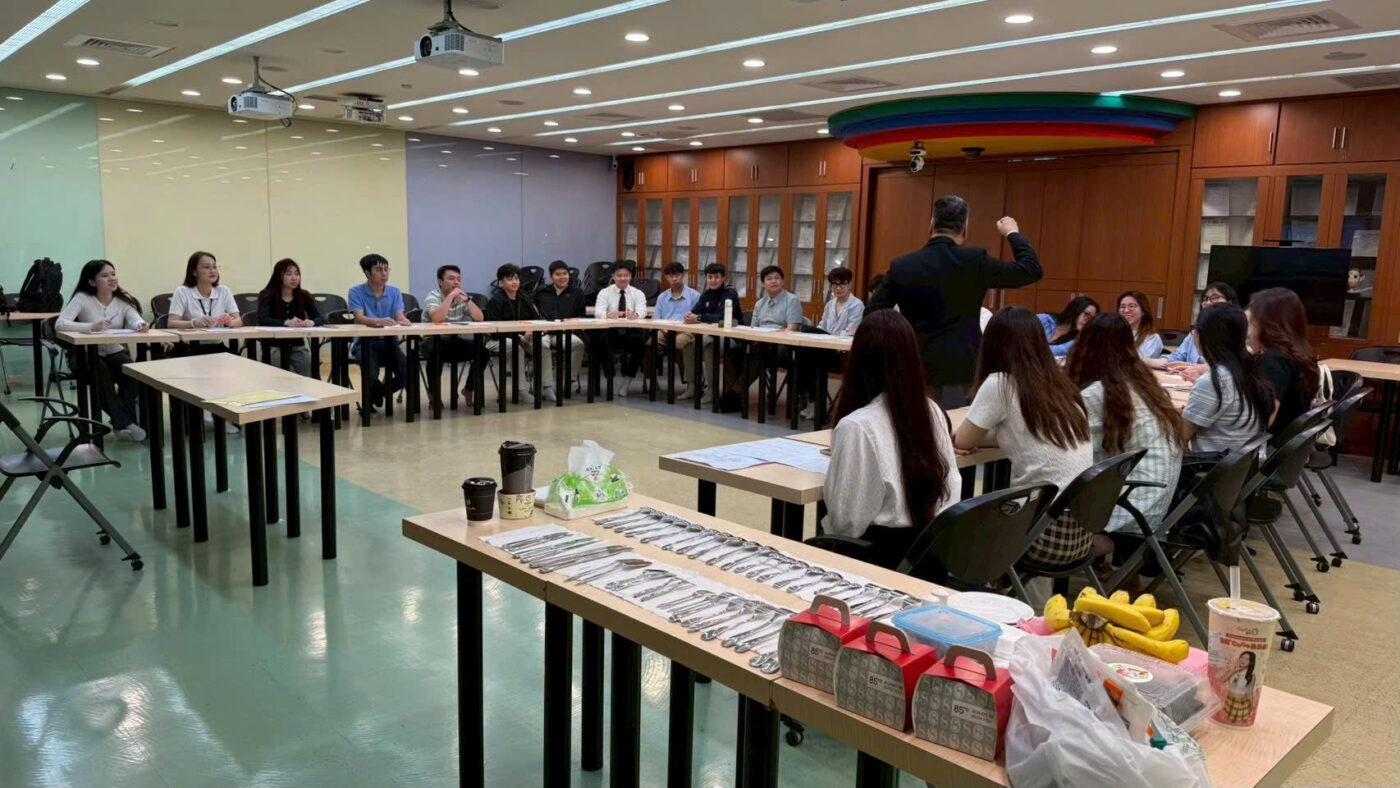
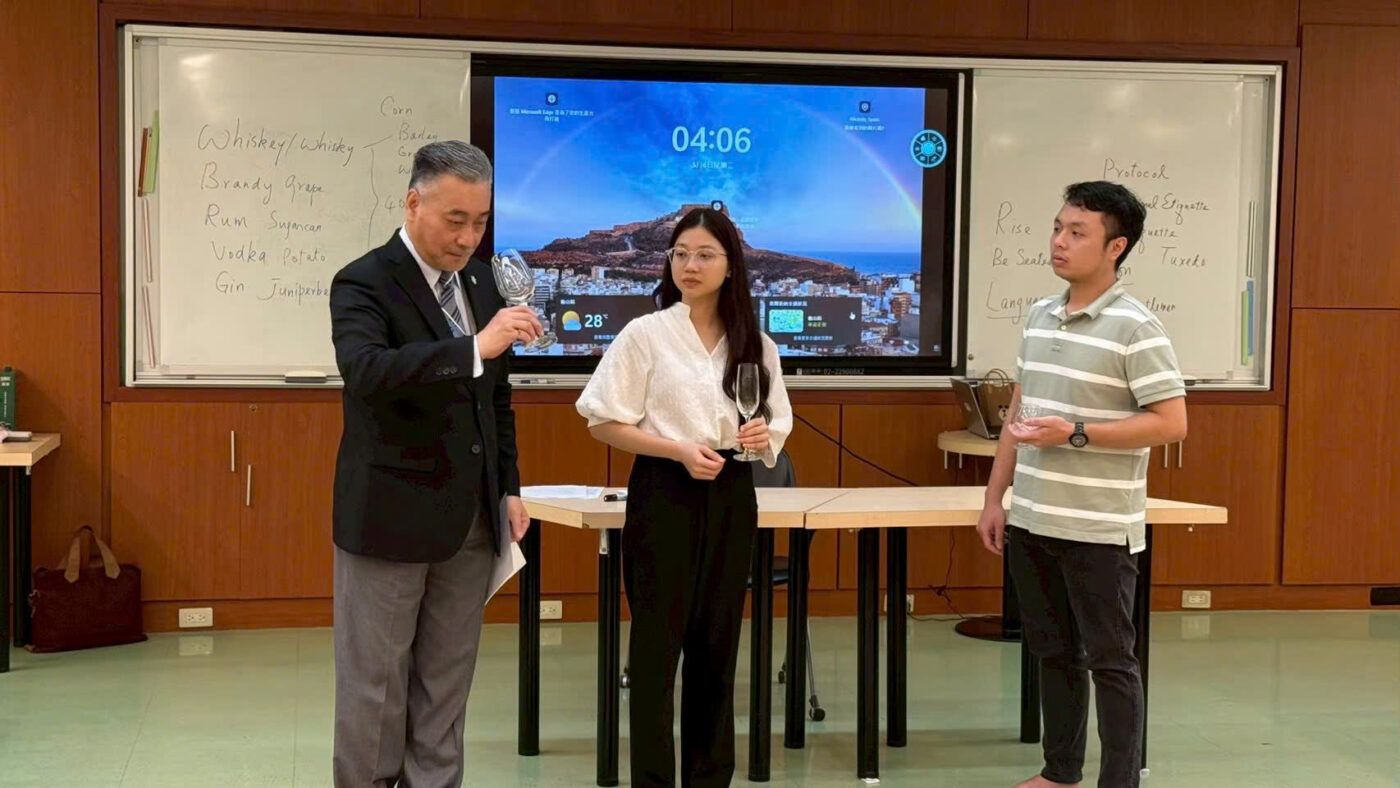
Mrs. Thao Minh Ho has organized many such activities for us. She took us to Costco, IKEA, and even the Panasonic Showroom for hands-on experiences. She also invited a professional instructor to teach us proper etiquette for business networking dinners at restaurants.


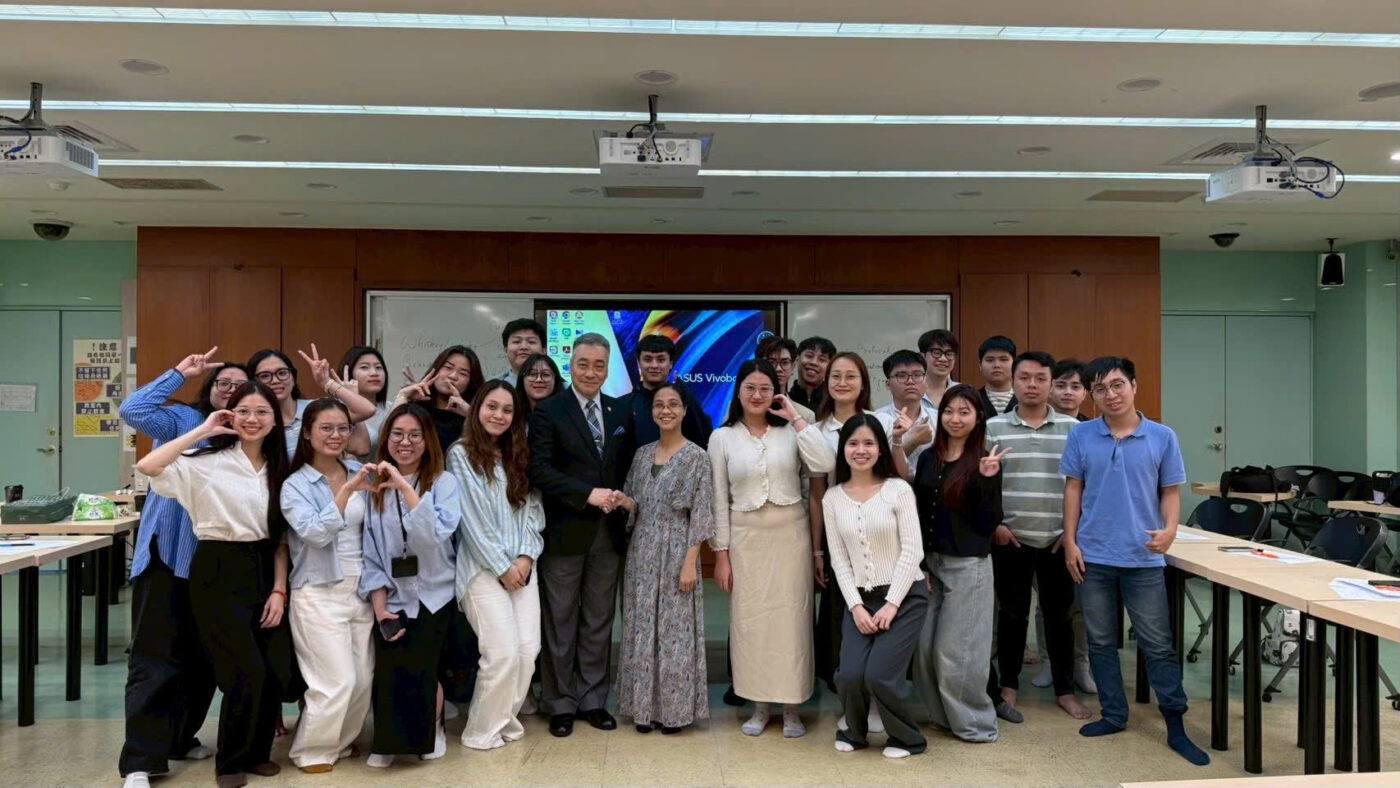
The supply chain knowledge she integrated into these “outside-the-classroom” activities made it much easier for me to absorb. Moreover, after several short-preparation presentations in front of the class, I became more confident in public speaking.
The knowledge and skills she taught us were both practical and invaluable. I feel truly fortunate to have been her student. My classmates and I are all deeply grateful for her guidance, especially in a learning environment in a foreign country.
Looking back at my time at Lunghwa, what I remember most are these kinds of activities. It goes to show that education should not be limited to the classroom – learning opportunities can be found anywhere, as long as we are willing to observe and engage.